

Starting to drive is exciting and comes with big responsibilities. Getting car insurance might seem hard, but you're not alone. Learning about car insurance laws is easier than you think.
Every new driver needs good insurance to stay safe and save money. Whether you just graduated or got your first car, knowing how to pick insurance is key. It can help you avoid stress and save cash.
This guide simplifies car insurance into five easy steps. We'll help you understand coverage, meet legal needs, and find affordable insurance. It's all about what you need.
You'll learn to understand insurance terms and compare prices. By the end, you'll know how to choose a policy that makes you feel secure and safe financially.
Are you ready to manage your car insurance? Let's start the journey to becoming a smart insurance buyer. You'll go from unsure to confident in no time.
{tocify} $title={Table of Contents}
What You Need Before Shopping for Car Insurance
Getting ready to shop for car insurance means gathering certain documents and info. This prep can make the process easier and help you find the right coverage. Being organized can also save you time and money.
Before you start talking to insurance companies, make sure you have the following:
Personal Information and Documentation
- Valid driver's license number
- Social Security number
- Current residential address
- Employment details
- Previous insurance history
Insurance companies use this info to figure out how much risk you pose. Your driving history and personal details affect your rates.
Vehicle Details and Registration
- Vehicle Identification Number (VIN)
- Vehicle make and model
- Year of manufacture
- Current mileage
- Purchase date
- Financing or lease information
Having the right vehicle info helps insurers set the right coverage and price. The VIN gives specific details about your car that affect rates.
Financial Information for Payment Setup
- Bank account details
- Credit card information
- Preferred payment method
- Payment frequency preference
Get your financial info ready for setting up payments. Most insurers let you choose how often to pay, like monthly or yearly.
Understanding Basic Car Insurance Coverage Types

When you start driving, it's key to know about car insurance coverage types. Liability coverage is the base of most policies. It's a state-mandated protection that keeps you safe from big financial hits.
Your car insurance usually has several main types:
- Liability Coverage: Protects you if you cause damage or injury to others
- Collision Coverage: Covers damage to your vehicle from accidents
- Comprehensive Coverage: Handles non-collision incidents like theft or weather damage
State laws on insurance vary, but liability coverage is always a must. It pays for damages you cause to others' property or medical bills from accidents you're responsible for. Most states require a minimum of liability insurance to drive legally.
Other key coverage options include:
- Uninsured/Underinsured Motorist Protection: Safeguards you when other drivers lack enough insurance
- Personal Injury Protection: Covers medical expenses no matter who's at fault
- Medical Payments Coverage: Helps pay medical bills for you and your passengers
Supplementary coverages like rental reimbursement and roadside assistance offer extra peace of mind. Knowing about these options helps you pick the right protection for your driving and financial needs.
Determining How Much Coverage You Actually Need
Car insurance can be confusing. It's more than just meeting the minimum. Every driver's needs are different, and you want to protect your money.
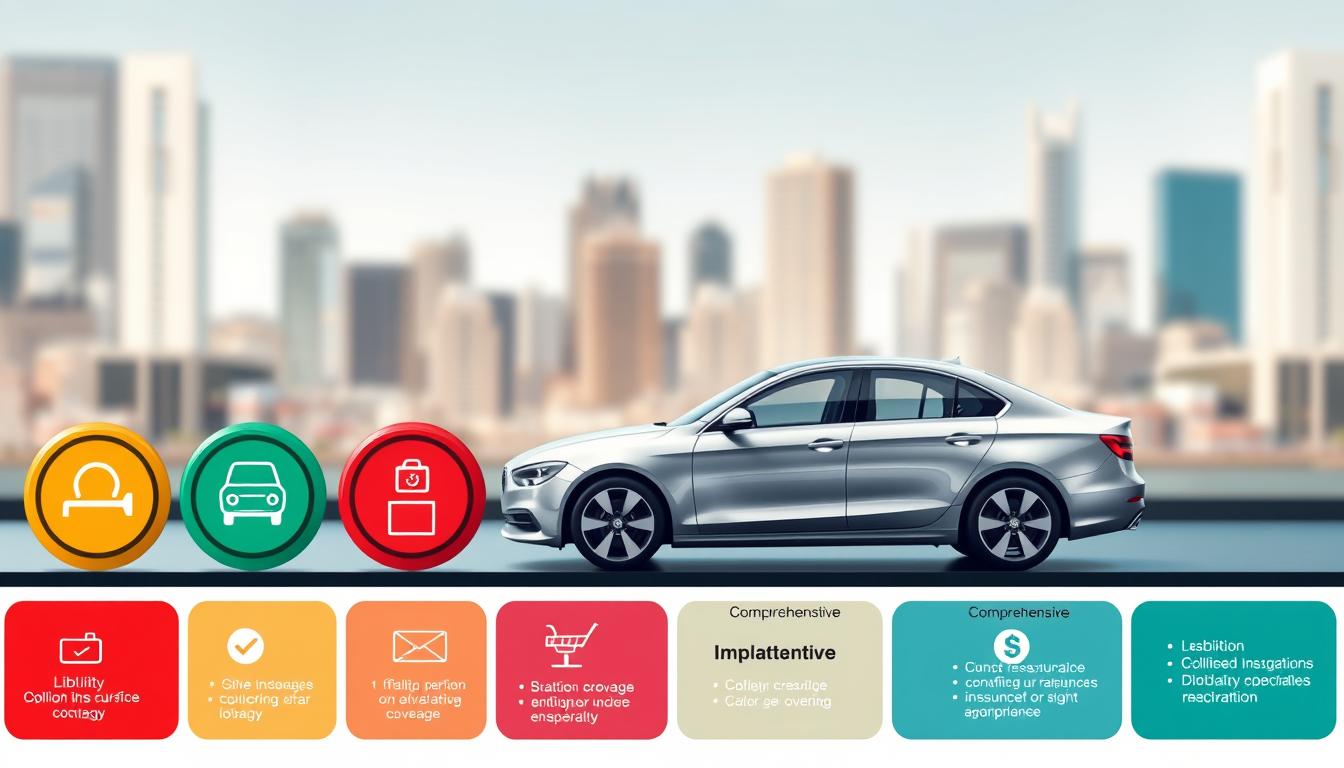
Your insurance should fit your risk level. State laws set a base, but it might not cover all costs in big accidents.
State Minimum Requirements vs. Full Coverage
State laws require a basic insurance package. This includes:
- Bodily injury per person
- Total bodily injury per accident
- Property damage coverage
| Coverage Type | Minimum State Requirements | Recommended Coverage |
|---|---|---|
| Bodily Injury (Per Person) | $30,000 | $100,000 |
| Total Bodily Injury | $60,000 | $300,000 |
| Property Damage | $25,000 | $50,000 |
Lender Requirements for Financed Vehicles
If you're paying off a car, you need more insurance. This includes collision and comp insurance. They keep the car's value safe.
- Collision coverage fixes your car after an accident
- Comprehensive coverage covers other damage
- Lenders might set a deductible limit
Getting good insurance might cost more. But it's worth it to avoid huge bills later. A little extra each month can save you a lot in emergencies.
Finding Affordable Auto Insurance: How to Compare Quotes
Looking for affordable auto insurance can be tough for new drivers. It's important to know how to compare quotes well. This way, you can find a cheap policy that covers you enough.
Begin by getting quotes from several companies. Most insurers have online tools to help you compare easily. Try to get quotes from three to five different ones to see all your options.
- Use online comparison websites
- Contact independent insurance agents
- Request direct quotes from insurance companies
- Compare coverage limits, not just prices
When you compare quotes, don't just look at the price. Check these important things too:
- Coverage limits and types of protection
- Deductible amounts
- Potential discounts available
- Customer service reputation
Your quote will depend on your age, driving record, car type, and where you live. What's good for one driver might not be for another. Learn what affects your rates and how to lower them.
Don't choose the cheapest option without thinking. Look for a balance between a good price and enough coverage for you as a new driver.
Essential Coverage Options Every New Driver Should Know
Getting into car insurance can be tough for new drivers. It's key to know your essential vehicle coverage to protect your wallet on the road. Each insurance type has its own role and level of protection.

As a new driver, it's important to learn about the main insurance options. They help shield you from unexpected costs and legal troubles.
Liability Insurance Explained
Liability coverage is a must-have in any auto insurance policy. It keeps you safe financially if you cause an accident that hurts others. Most states require a basic level of liability insurance.
- Bodily injury liability covers medical costs and lost wages for others
- Property damage liability pays for fixing other vehicles or property
- Typical liability limits are like 30/60/25 (thousands of dollars)
Collision and Comprehensive Coverage
Liability coverage protects others, but collision and comprehensive insurance protect your car. Collision pays for damage from accidents with other vehicles or objects. Comprehensive covers non-accident damage like theft, vandalism, or weather damage.
Uninsured and Underinsured Motorist Protection
About 13% of drivers are uninsured. This coverage is vital. It helps pay for your medical bills and car repairs if hit by an uninsured driver or in a hit-and-run.
Picking the right liability coverage and extra protections can save you a lot of money in the future.
Money-Saving Discounts for First-Time Insurance Buyers
Looking for low-cost insurance options can really cut down your auto insurance costs. As a new driver, you have many chances to save on your policy.
Insurers offer several discounts that can make affordable auto insurance a reality for new drivers. Knowing about these discounts can help you lower your premium costs.
- Good Student Discount: Maintain a B average or higher and save up to 25% on your insurance
- Safe Driver Discount: Maintain a clean driving record for three consecutive years
- Driver Training Discount: Complete an approved defensive driving course
- Away at School Discount: Keep your car at home while attending college
Usage-based insurance programs are another way to find low-cost insurance. Many insurers use mobile apps or plug-in devices to track your driving. Safe drivers can get discounts of 10% to 30% by showing they drive responsibly.
Bundling your auto insurance with other policies is a smart move for saving money. Think about combining your car insurance with renters or homeowners coverage. This can save you 15-25%.
Pro tip: Always ask your insurance provider about available discounts. They might not always tell you about them, so it's up to you to ask and find ways to save.
- Automatic payment discounts
- Paperless billing savings
- Professional organization affiliations
- Alumni association memberships
Check if you're eligible for discounts every year. Your situation can change, and new savings might become available as you gain more driving experience.
Your Policy and Getting Proof of Insurance
Getting your basic car insurance is the last step to protect yourself on the road. After picking the right policy, you need to do a few important things. This ensures you're legally covered and ready to drive.
Making Your First Premium Payment
Your car insurance starts when you make the first payment. Insurance companies offer many ways to pay:
- Electronic bank transfers
- Credit or debit card payments
- Personal checks
- Automatic monthly drafts
Remember, you must have full coverage to meet legal car insurance needs. Some insurers give discounts for paying the whole premium at once. This can lower your costs.
Understanding Your Insurance Card
Your insurance card proves you have coverage. It has important info that shows you meet legal car insurance rules. You'll find:
- Policy number
- Policyholder name
- Vehicle identification details
- Coverage effective dates
- Insurance company contact information
Many states now accept digital insurance cards through apps. But, it's smart to have a physical copy in your car. Driving without proof can lead to big fines and even losing your license.
Common Mistakes New Drivers Make When Buying Insurance
Getting basic car insurance can be hard for new drivers. Many fall into traps that cost them money later. Knowing these mistakes helps you make better choices.
New drivers often make big errors when buying auto insurance. These mistakes can leave you exposed or paying too much.
- Choosing the cheapest policy without understanding coverage
- Overlooking minimum coverage requirements
- Failing to disclose all household drivers
- Providing inaccurate vehicle information
One big mistake is picking a cheap policy with little coverage. Low-cost policies might not cover you well in an accident.
| Mistake | Potential Consequence |
|---|---|
| Minimum Coverage Only | High out-of-pocket expenses after an accident |
| Incorrect Vehicle Use | Claim denial or policy cancellation |
| Not Comparing Quotes | Overpaying for insurance |
Protect yourself by carefully checking policy details and understanding minimum coverage. Also, compare many insurance quotes. Spending time to research can save you a lot of money and stress.
What Happens After You Purchase Your Policy
Buying basic car insurance is just the first step in protecting your vehicle. Your insurance journey continues well beyond the initial purchase. You need to keep paying attention and review your coverage regularly to make sure it's right.
Your car insurance policy is a living document that needs regular maintenance. Life changes quickly, and your insurance needs can shift just as rapidly. Staying proactive about your coverage helps you maintain complete protection while possibly saving money.
Annual Policy Reviews: Staying Current
Conducting yearly insurance reviews is key for keeping your coverage up to date. During these reviews, consider the following important aspects:
- Verify current coverage limits match your vehicle's value
- Check for new available discounts
- Evaluate deductible amounts
- Confirm all drivers and vehicles are correctly listed
- Compare current rates with competitor quotes
When to Update Your Coverage
Certain life events can trigger the need for immediate policy adjustments in your basic car insurance. Major changes that warrant a coverage review include:
- Purchasing a new vehicle
- Moving to a different address
- Adding or removing household drivers
- Getting married or divorced
- Changing vehicle usage patterns
- Significant changes in financial circumstances
Remember, updating your essential vehicle coverage promptly can prevent claim complications. It ensures you're always adequately protected on the road.
Understanding Your Rights and Policy Terms
Starting out with car insurance can be tough. Knowing what you need and what's required by law helps you choose the right coverage.
It's important for every driver to understand key terms. These terms affect how you deal with your insurance:
- Premium: The amount you pay for insurance coverage
- Deductible: Your out-of-pocket expense before insurance kicks in
- Policy period: The timeframe your insurance remains active
- Exclusions: Specific situations not covered by your policy
Insurance companies must treat everyone fairly. Your state's insurance department makes sure they don't discriminate. They also ensure prices are clear and fair.
You have rights as an insurance customer. These include:
- Receiving clear explanation of policy terms
- Filing complaints about unfair treatment
- Requesting detailed information about coverage
- Appealing claim denials
To keep yourself safe, read your policy carefully. If you don't understand something, ask. Keep all your insurance documents in order and easy to find.
Conclusion
Understanding basic car insurance might seem tough at first. But now, you have the tools to make smart choices. Knowing about coverage types and affordable auto insurance helps you protect your finances and follow the law.
Your first car insurance policy is just the beginning. As your life changes, so should your insurance. Always check your policy, look for discounts, and keep your coverage up to date with your driving needs.
Finding the best basic car insurance requires research and knowing what you need. Don't just pick the cheapest policy. Choose one that offers good protection and peace of mind. Your effort in finding the right insurance will save you money and boost your confidence on the road.
Now, you're ready to shop for car insurance wisely. Take your time, ask questions, and trust yourself to find the perfect policy for you.